

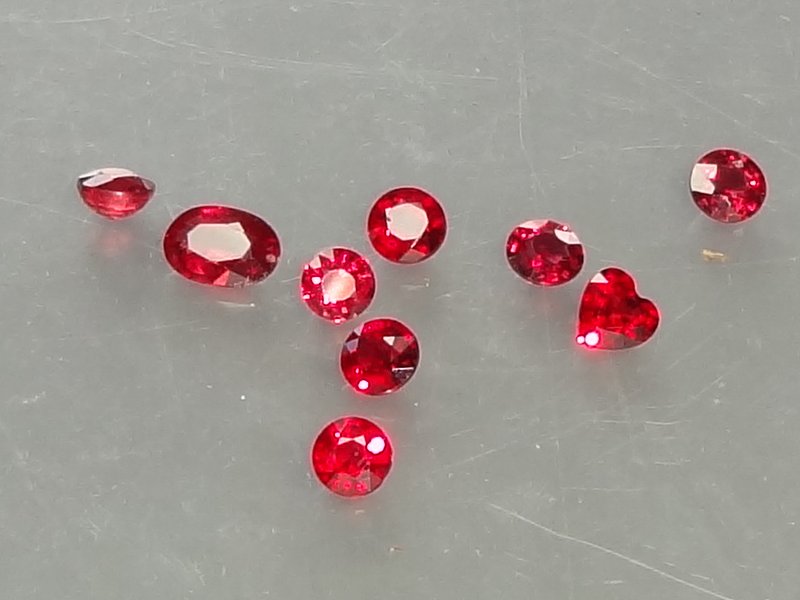
Pailin, a small but historically rich province in western Cambodia, is renowned for its precious gemstones, particularly rubies and sapphires. For centuries, this region has been a source of some of the world’s finest gems, drawing traders, miners, and fortune seekers from across the globe. The story of Pailin’s gemstones is one of prosperity, conflict, and resilience—a tale that intertwines with Cambodia’s history and its journey toward peace and development.
The Origins of Pailin’s Gemstone Wealth
Pailin’s geological formations have blessed the region with an abundance of corundum stones, the mineral from which rubies and sapphires are formed. These gems were created through volcanic activity millions of years ago, resulting in deposits of high-quality stones in the region’s riverbeds and hills.
Historical records suggest that gem mining in Pailin dates back hundreds of years, with early traders recognizing the brilliance and durability of its rubies and sapphires. For much of its history, Pailin’s gemstones were sought after by royalty and aristocrats, making their way into crowns, jewelry, and ceremonial artifacts across Southeast Asia.
Pailin’s Gemstones in the 20th Century
During the French colonial period (1863–1953), Pailin’s gemstone deposits became more widely known to the world. The French, recognizing the economic potential of these precious stones, encouraged mining in the region and introduced modern extraction techniques to maximize output.
As Cambodia gained independence, local miners and traders flourished, and Pailin became one of the most valuable sources of gemstones in Southeast Asia. The province’s rubies, known for their deep red hue, and sapphires, prized for their clarity and color variety, were exported worldwide.
The Khmer Rouge Era and the Dark Side of Gem Mining
Pailin’s gemstone wealth also played a tragic role in Cambodia’s history. During the 1970s and 1980s, the province became a stronghold of the Khmer Rouge, the brutal regime responsible for the Cambodian genocide. The Khmer Rouge exploited Pailin’s gemstone resources, using mining profits to fund their war efforts against the Cambodian government.
For decades, the gem trade in Pailin was controlled by smugglers and warlords, with profits fueling armed conflicts. Many local miners were forced to work under harsh conditions, and much of Pailin’s gemstone wealth was lost to illicit markets.
The Decline of Gem Mining in Pailin
After the fall of the Khmer Rouge in the late 1990s, Cambodia began rebuilding its economy, and Pailin transitioned into a peaceful province. However, decades of intensive mining had depleted many of its natural gemstone reserves. As a result, large-scale mining operations declined, and the once-thriving industry slowed significantly.
Today, while traditional mining continues on a small scale, most of Pailin’s high-quality rubies and sapphires have already been extracted. Many miners and traders have shifted their focus to other economic activities, such as agriculture and tourism.
Pailin’s Gemstone Legacy Today
Despite the decline in gem production, Pailin remains an important historical and cultural hub for gemstone enthusiasts. Visitors can still explore its gemstone markets, where local traders sell small rubies, sapphires, and handcrafted jewelry. Many shops also display uncut stones, offering a glimpse into Pailin’s rich mining heritage.
For those interested in gemology, Pailin is a fascinating destination to learn about Cambodia’s mining past, the art of gemstone cutting, and the significance of rubies and sapphires in Southeast Asian culture.

 0.000 SRY